
Estimated Read Time: 6 minutes
Major sporting events in North Texas are bringing widespread road closures, heavy congestion, and changing traffic patterns across Dallas, Arlington, and surrounding areas.
Whether you are commuting to work, heading to the airport, or traveling near event areas, understanding these closures ahead of time can help you avoid delays and stay safe on the road. Local officials are encouraging drivers to plan routes in advance, use transit options, and expect significant traffic on designated match days.
Below is a breakdown of what drivers should expect across the DFW Metroplex.
Where Closures Are Happening Across DFW
The most significant traffic disruptions are centered around key activity zones, including:
- Downtown Dallas (near the convention center)
- Fair Park
- Arlington stadium area
- Routes near DFW International Airport
These areas are being managed with road closures, pedestrian corridors, and transit adjustments to accommodate large crowds and event operations safely.
Downtown Dallas Street Closures
Several streets near the Kay Bailey Hutchison Convention Center are currently closed or restricted due to event operations and infrastructure use.
- Lamar Street: Ceremonial Drive to south parking access point
- Memorial Drive: Lamar Street to Hotel Street
- Griffin Street: Canton Street to Ceremonial Drive (closed through July 23)
- Akard Street, Hotel Street, and Lamar Bridge
What this means for drivers:
- Limited access through parts of downtown
- Frequent detours and rerouting
- Longer commute times during peak hours
Fair Park Event Traffic Changes
Large events at Fair Park are creating additional road closures and high pedestrian traffic.
Streets closed around Fair Park include:
- First Avenue: Parry Avenue to Pennsylvania Avenue
- Grand Avenue: First Avenue to Second Avenue
- MLK Jr. Boulevard: First Avenue to Second Avenue
- Pennsylvania Avenue: First Avenue to Lagow Street These closures help create safer pedestrian zones and organized access points for attendees.
What this means for drivers:
- Expect heavier foot traffic and congestion
- Limited vehicle access near event zones
- Public transit options are strongly encouraged
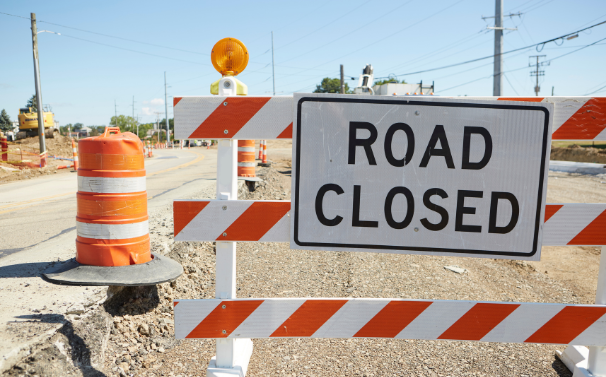
Arlington Match Day Road Closures & Traffic Windows
Traffic will be most intense near the Arlington stadium during scheduled matches, with road closures and significant congestion expected before and after events.
Roads closed near the stadium:
- AT&T Way: Cowboys Way to Randol Mill Road
- Cowboys Way: N. Collins Street to AT&T Way
- Portions of Nolan Ryan Expressway
Major highways impacted:
- Interstate 30
- State Highway 360
Key traffic windows to watch:
- June 14 & June 17: 10 a.m.–3 p.m. (arrival), 5 p.m.–8 p.m. (departure)
- June 22: 7 a.m.–12 p.m., 2 p.m.–5 p.m.
- June 25: 1 p.m.–6 p.m., 8 p.m.–11 p.m.
- June 27: 4 p.m.–9 p.m., late-night departure traffic
- June 30 & July 3: Morning through afternoon peaks
- July 6 & July 14: Late morning to evening congestion
What this means for drivers:
- Severe delays are likely near Arlington during these windows
- Travel times may increase significantly
- Avoiding the area during peak hours is recommended
DFW Airport Impacts
Road closures and transit operations are also affecting routes near DFW International Airport.
Closure to note:
- Statler Boulevard: Breezewood Drive to Cottageview Lane
What this means for drivers:
- Additional travel time is necessary for airport trips
- Traffic may be heavier near surrounding transit hubs
- Planning ahead is essential for timely arrivals
How to Navigate the Disruptions Safely
With multiple closures and large crowds across the region, drivers should take proactive steps to minimize delays and reduce risks.
Practical tips for managing travel:
- Leave early: Expect delays and build extra time into your trip
- Avoid peak traffic windows: Especially near Arlington
- Follow detour signage: Closures will be enforced
- Watch for pedestrians: High foot traffic in event areas
Plan Ahead to Avoid Delays
With widespread closures across Dallas–Fort Worth, planning ahead can make a major difference in your daily commute or travel experience. By knowing where disruptions are occurring and when traffic is expected to peak, drivers can avoid unnecessary delays and stay safer on the road.
If you regularly travel near these areas, adjusting your route or schedule now can help you navigate the coming weeks much more smoothly.
.2512160629105.png)